
Fire Safety Risk Assessment
Businesses have a legal responsibility to ensure their premises are safe from fire risks and that appropriate measures are in place to protect employees, visitors and anyone else who may be affected.
A Fire Safety Risk Assessment helps identify potential fire hazards, reduce the risk of a fire occurring, and ensure effective emergency evacuation procedures are in place. Assessments should be carried out by a competent person with the appropriate knowledge, skills and experience.
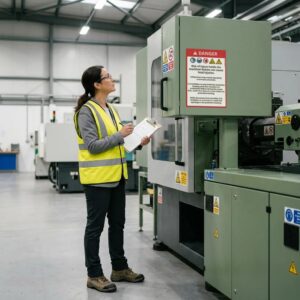
Easy 5 Steps Process
1. Identify Fire Hazards
We identify potential sources of ignition, along with flammable and combustible materials that could cause or contribute to a fire.
2. Identify People at Risk
We consider everyone who may be affected by a fire, including employees, visitors, contractors and vulnerable individuals who may require additional assistance during an evacuation.
3. Evaluate Risks and Implement Control Measures
We assess the identified risks and recommend appropriate control measures to eliminate or reduce fire hazards and improve overall fire safety.
4. Record Findings and Provide Guidance
We document the assessment findings and recommendations, consider emergency arrangements, and help ensure staff understand fire safety procedures, evacuation plans and their responsibilities.
5. Review and Update
We recommend reviewing the fire risk assessment regularly and updating it whenever significant changes occur, such as alterations to the premises, changes in occupancy or the introduction of new processes or equipment.
Stay Safe. Stay Compliant.
Under the Regulatory Reform (Fire Safety) Order 2005, applicable in England and Wales, the responsible person must ensure that a suitable and sufficient fire risk assessment is carried out and reviewed when necessary.
Our approach helps businesses identify fire risks, implement appropriate safety measures and maintain a safer working environment.
How Often Should a Fire Risk Assessment Be Reviewed?
A fire risk assessment should never be treated as a one-off task. Under the Regulatory Reform (Fire Safety) Order 2005, businesses in England and Wales must review their fire risk assessment regularly to ensure it remains suitable, effective and up to date.
As good practice, we recommend reviewing your fire risk assessment at least once every 12 months, particularly for small and straightforward premises. However, the appropriate review frequency will depend on the type of business, the level of fire risk and the complexity of the premises. Higher-risk environments may require more frequent reviews.
Your fire risk assessment should also be reviewed whenever significant changes occur, including:
- Building alterations, refurbishments or changes to the layout.
- New equipment, machinery or working practices.
- Changes in the storage or use of flammable materials.
- Significant changes in the number of employees, customers or visitors.
- Changes affecting people who may need additional assistance during an evacuation.
- Fire incidents, near misses, or faults with alarms, emergency lighting, fire doors or other fire safety equipment.
A review should check that previous recommendations have been completed, existing safety measures remain effective and emergency procedures are still appropriate. Where necessary, the assessment must be updated and further action taken.
Article 9 of the Regulatory Reform (Fire Safety) Order 2005 requires regular reviews and reviews when the assessment may no longer be valid or significant changes occur. The legislation does not prescribe a universal annual review interval.
What Are the Risks of Not Reviewing Your Fire Risk Assessment?
Failing to review and update a fire risk assessment can put everyone using your premises at risk, including employees, customers, contractors and members of the public.
1. Increased Risk of Fire
New hazards may go unnoticed, including faulty electrical equipment, unsafe storage of combustible materials or changes in working practices that increase the likelihood of a fire.
2. Greater Risk of Injury or Loss of Life
Outdated assessments may fail to identify escape route obstructions, inadequate fire detection, ineffective fire doors or insufficient evacuation arrangements. This can allow a fire to spread and make it harder for people to escape safely.
3. Vulnerable People May Be Left at Risk
People with disabilities, mobility difficulties, sensory impairments or other needs may require additional assistance to evacuate. If these needs are not properly considered, they may face increased danger during an emergency.
4. Employees and Visitors May Not Know What to Do
Outdated emergency procedures or inadequate staff training can lead to confusion, delayed evacuation and people using unsafe escape routes when a fire occurs.
5. Legal and Financial Consequences for Your Business
Failure to comply with fire safety duties may result in enforcement action, prosecution and potentially substantial financial penalties. Serious breaches can have significant legal consequences, depending on the circumstances. Businesses may also face disruption, property damage, insurance complications and reputational harm
Health and Safety Risk Assessmnet
Workplace health and safety is essential for protecting employees, customers, contractors and visitors from potential hazards. Every business has a responsibility to provide a safe working environment and take reasonable steps to prevent accidents, injuries and work-related ill health.
The Health and Safety at Work etc. Act 1974 sets out key legal duties for employers to protect the health, safety and welfare of their employees and to protect others who may be affected by their business activities.
Whether you operate an office, retail premises, warehouse, construction site or commercial facility, effective health and safety management can help reduce workplace risks, prevent accidents and support a safer, more productive working environment.
How Can Businesses Keep Employees and Visitors Safe?
Business owners and employers must take appropriate steps to identify hazards, assess risks and implement suitable control measures. The following are important elements of an effective workplace health and safety system.
1. Carry Out a Workplace Risk Assessment
A risk assessment helps identify potential hazards, determine who could be harmed and establish what measures are needed to control the risks.
Depending on your business activities, this may include assessing risks associated with machinery, slips and trips, manual handling, work equipment, hazardous substances and workplace conditions.
Risk assessments should be reviewed regularly and whenever significant changes occur to ensure they remain suitable and effective.
2. Create and Maintain a Health and Safety Policy
A health and safety policy explains how your business manages workplace safety, identifies responsibilities and sets out the arrangements for controlling risks.
Employers with five or more employees must, by law, have a written health and safety policy. Even smaller businesses benefit from clear safety procedures and documented responsibilities.
Your policy should reflect your business activities and be reviewed when necessary to ensure it remains relevant.
3. Provide Appropriate Health and Safety Training
Employees should receive suitable information, instruction and training to understand the risks associated with their roles and how to work safely.
Training may include fire safety, manual handling, safe use of equipment, accident reporting and emergency procedures, depending on the nature of your business.
4. Maintain a Safe Working Environment
Regular workplace inspections and appropriate maintenance can help identify hazards before they result in an accident.
Keeping walkways clear, maintaining equipment, providing suitable protective equipment where required and ensuring emergency arrangements are effective can all contribute to improved workplace safety.
What Happens If You Fail to Comply with Health and Safety Requirements?
Failing to manage workplace health and safety effectively can have serious consequences for employees, visitors and your business.
Injuries and ill health: Uncontrolled workplace hazards can lead to accidents, serious injuries, long-term health problems or fatalities.
Legal action and prosecution: Businesses that breach health and safety legislation may face enforcement notices, prosecution and substantial financial penalties, depending on the circumstances.
Compensation claims: Employees or other individuals who suffer injury or illness because of negligence may be entitled to pursue a compensation claim.
Financial losses: Workplace accidents can result in operational disruption, increased costs, damaged equipment and potential insurance complications.
Reputational damage: Poor health and safety standards can undermine customer confidence, affect employee morale and damage your business reputation.
Taking a proactive approach to health and safety helps reduce these risks and demonstrates your commitment to protecting everyone who enters your premises.
Professional Health and Safety Support in Caerphilly and South Wales
Managing workplace health and safety can be challenging, particularly for small and growing businesses. Understanding your legal responsibilities and implementing the right safety measures can help you protect your workforce while maintaining compliance with relevant legislation.
We support businesses in Caerphilly and across South Wales with practical health and safety services designed to identify workplace hazards, assess risks and improve safety standards.
Our services can include workplace risk assessments, health and safety policies, safety documentation and guidance on managing workplace hazards. Support is tailored to the nature of your business, your activities and the risks present at your premises.
Protect Your Employees. Protect Your Business.
Workplace health and safety should be an ongoing priority, not simply a legal obligation. Identifying hazards, reviewing risks and implementing appropriate control measures can help prevent accidents and create a safer environment for employees, customers and visitors.
Contact us today to discuss your health and safety requirements and find out how we can help your business in Caerphilly and acro
Protect Your People. Protect Your Business.
Keeping your fire risk assessment up to date is an essential part of protecting your employees, customers and visitors. Regular reviews help identify changing hazards, maintain effective fire safety arrangements and ensure that appropriate action is taken before an incident occurs.
Don’t wait for a fire to expose a problem. Ensure your fire risk assessment is current, your control measures are effective and everyone on your premises knows how to respond in an emergency.
Contact us to discuss your fire safety risk assessment requirements and help maintain a safer, more compliant workplace.
Cost starting from £250 – £1,200+ VAT depending on the nature and size of the business
Contact us at [email protected] / T. 02921 679041